
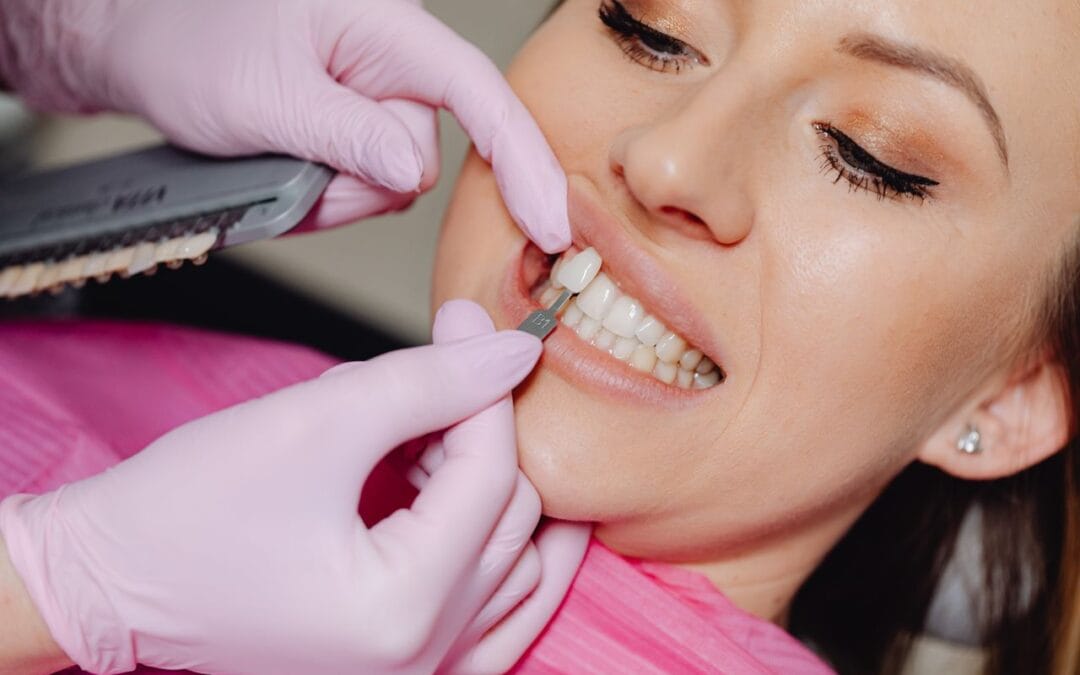
A cracked porcelain veneer can be concerning, especially when it affects a visible front tooth. The next step is not always as simple as repairing or replacing the veneer. The appropriate option depends on the location and extent of the damage, the condition of the tooth underneath, the age of the veneer, and other factors identified during a dental examination.
If you notice a crack, avoid trying to fix the veneer yourself. A dental assessment may help determine whether the restoration can remain in place or requires further treatment.
When Might a Veneer Be Repaired?
Minor damage does not necessarily mean that an entire veneer needs to be removed. If the crack is limited and the underlying tooth remains stable, a dentist may consider whether a repair is appropriate.
The type of damage matters. A small chip or surface defect may sometimes be managed differently from a crack that extends through the porcelain. The dentist may also examine how the veneer fits, whether the bonding remains intact, and whether the tooth has signs of decay, trauma, or other problems.
A repair may preserve the existing restoration in selected situations, but it is not appropriate for every type of damage. The expected appearance, function, durability, and limitations of the repair should be discussed before treatment.
When Is Replacement More Likely?
A replacement may be considered when the veneer has a significant fracture, has become loose, or no longer provides adequate coverage. A dentist may also recommend replacement when the underlying tooth requires treatment or when the existing restoration has reached the end of its useful service period.
Before removing a damaged veneer, the dentist may assess the tooth beneath it. This is important because a cracked restoration can sometimes be associated with problems that are not immediately visible.
For someone searching for an emergency dentist in Scarborough, prompt assessment may be appropriate when a veneer breaks following an injury, causes sharp edges, creates significant discomfort, or is accompanied by other dental symptoms.
What Happens During the Assessment?
A dentist may examine the affected tooth, surrounding tissues, bite, and restoration. Depending on the circumstances, dental imaging may also be considered.
The treatment discussion should include the nature of the problem, expected benefits, material risks, alternatives, and what could happen without treatment. Regulatory guidelines for informed consent emphasize that patients should receive relevant information and have an opportunity to ask questions before making an informed decision.
If treatment involves sedation, additional considerations and risks should be discussed. Standard professional regulations require appropriate authorization and safety measures for dentists providing sedation or general anesthesia.
How Should You Protect a Cracked Veneer?
Until you receive dental advice, avoid biting hard foods with the affected tooth. Do not pull, bend, or attempt to reattach a loose veneer. If the veneer has completely detached, keep it in a clean container and bring it to the dental office.
If you are looking for a dentist in Scarborough, describe what happened and whether you have pain, swelling, bleeding, or sensitivity. These details may help the dental team understand the situation.
Discuss a Damaged Veneer With Hillsborough Dental Centre
A damaged veneer deserves timely attention, particularly when there is pain, trauma, or a loose restoration. Hillsborough Dental Centre can assess the affected area and discuss appropriate treatment options based on your individual dental circumstances.
Learn more about dental care at Hillsborough Dental Centre.