
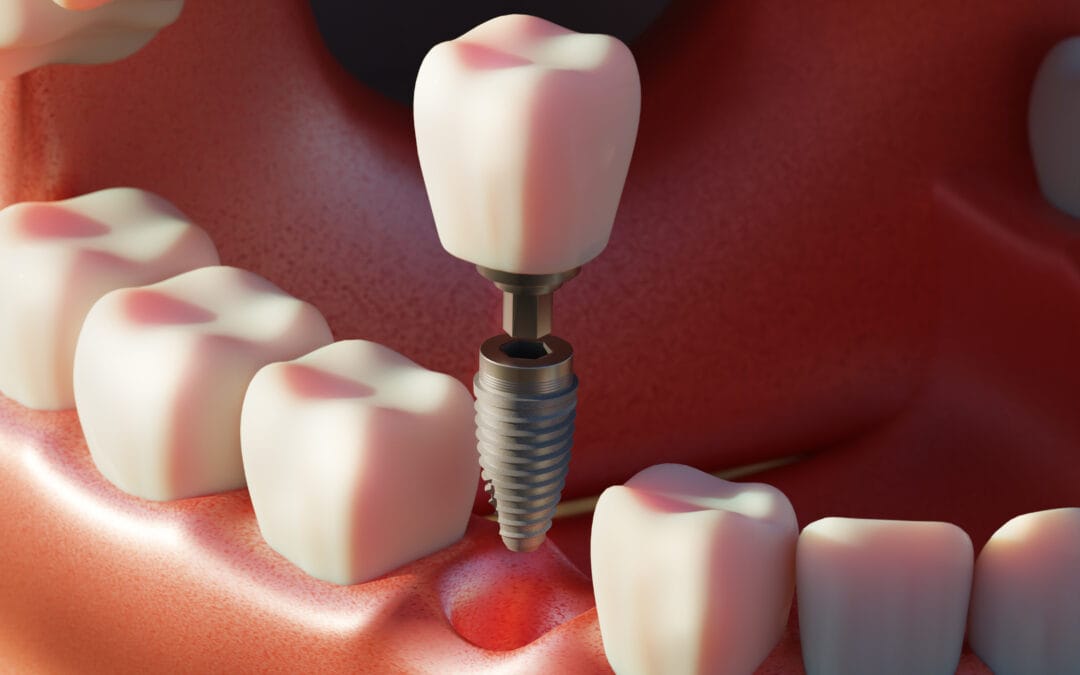
Dental implants have become a widely chosen option for restoring missing teeth because they may help support long-term oral function. However, not every person has enough natural bone to support them. In such cases, a bone graft may be recommended so the implant has a stable base. Understanding when bone grafting is needed can help patients plan their treatment journey, especially for those considering dental implants in Scarborough.
Why Bone Matters for Dental Implants?
For a dental implant to remain secure, it requires a strong, healthy jawbone. The implant acts like an artificial tooth root, and the bone must hold it firmly in place. When bone density is low, the implant may not bond well. A bone graft provides additional structure, allowing the implant to integrate successfully.
Many people exploring dental implants in Scarborough learn that bone grafting is a common step, depending on their oral health history and the condition of their jawbone.
Common Reasons for Bone Loss
Bone loss in the jaw occurs for several reasons. One of the most common is missing teeth. When a tooth is lost, the surrounding bone loses stimulation. Over time, it begins to shrink. The longer the gap remains, the more bone volume may decrease.
Other factors that contribute to bone loss include:
- Gum disease
- Injury or trauma
- Long-term denture use
- Natural aging
- Infection around previous tooth sites
A bone graft helps rebuild the area, providing a stronger foundation for dental implants in Scarborough.
When Is Bone Grafting Needed?
A bone graft may be necessary when the jawbone is too thin or too soft to support an implant. Dental teams usually check bone quality with digital imaging during the evaluation process. Bone grafting can be recommended in situations such as:
Long-standing tooth loss
If a tooth has been missing for an extended time, bone density can decrease significantly. A graft restores the lost volume.
Advanced gum disease
Severe periodontal disease may damage bone tissue. Grafting helps rebuild the structural support needed for an implant.
Sinus proximity in the upper jaw
In the upper back teeth area, the sinus cavity may sit close to the roots. A sinus lift, which is a form of bone grafting, may be needed to create enough space for an implant.
Bone damage from trauma or infection
Accidents or long-standing infections can weaken the jawbone, making grafting an important step before implant placement.
How Bone Grafting Works?
During a bone grafting procedure, bone material is added to the weakened area. This material may come from a human donor, animal source, synthetic material, or the patient’s own body. Over time, the graft fuses with the natural bone. After healing, the jaw is strong enough to support dental implants in Scarborough.
Healing times vary depending on the person and the size of the graft. The implant placement usually occurs once the grafted area has integrated fully.
Benefits of Bone Grafting Before Implants
Bone grafting offers several important advantages:
- Provides a stable foundation for the implant
- Helps improve long-term implant success
- Supports facial structure by preventing bone collapse
- Restores natural contours of the jaw
For many individuals, bone grafting is an essential step toward a functional and comfortable implant.
Restore Your Oral Health With Hillsborough Dental Centre!
If you are exploring dental implants in Scarborough and want to understand whether bone grafting is suitable for you, Hillsborough Dental Centre is ready to guide you. Our team provides patient-focused assessments that help you make informed decisions about your oral health. Learn about your options, receive clear information, and take the next step toward restoring your oral health.