
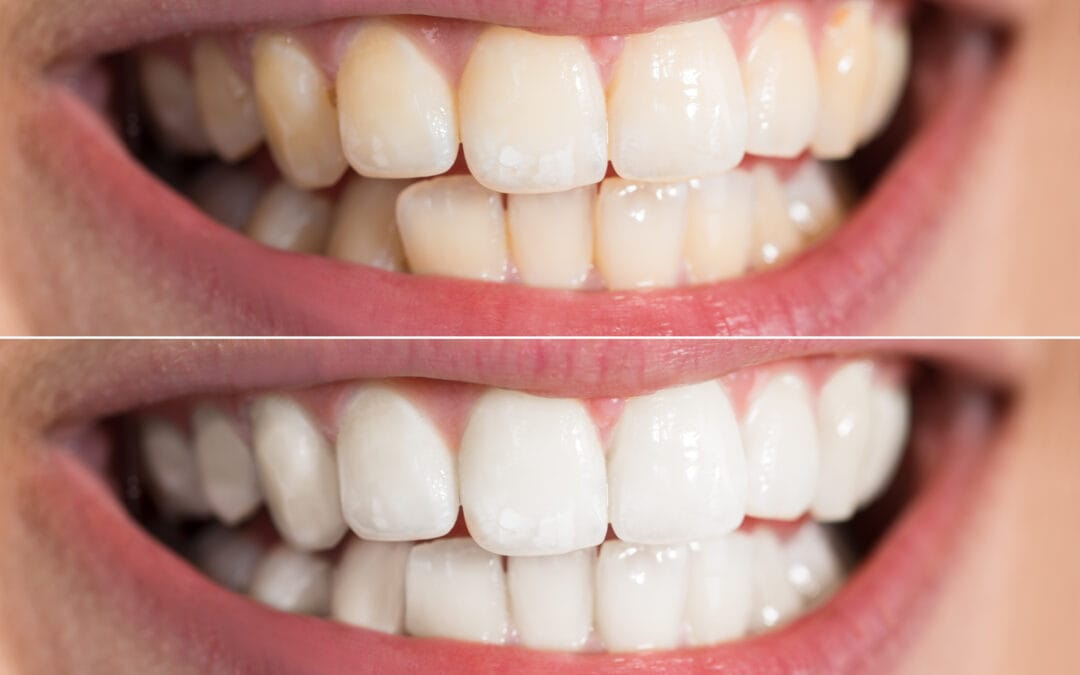
A bright smile is often associated with confidence and positive first impressions. As a result, teeth whitening has become one of the most requested cosmetic dental procedures. While many people are interested in improving the shade of their teeth, common questions remain about how long whitening results last and whether the process is safe. Understanding these factors can help patients make informed decisions about their dental care.
What Is Teeth Whitening?
Teeth whitening is a dental procedure designed to lighten the natural colour of teeth by reducing stains and discoloration. Over time, teeth may become darker due to factors such as coffee, tea, red wine, tobacco use, aging, and certain medications. Whitening treatments work by breaking down stain molecules on the enamel, allowing teeth to appear brighter without altering their natural structure.
How Long Do Whitening Results Last?
The longevity of teeth whitening results varies from person to person. On average, results may last anywhere from several months to a few years. Diet and lifestyle habits play a major role in how long the brightness is maintained. Individuals who frequently consume staining foods or drinks may notice a gradual return of discoloration sooner.
Oral hygiene habits are also important. Regular brushing, flossing, and professional dental cleanings may help extend the effects of whitening. Some patients choose occasional touch-up treatments to maintain their desired shade over time. A dental professional can help determine an appropriate maintenance schedule based on individual needs.
Is Teeth Whitening Safe?
When performed under the guidance of a dental professional, teeth whitening is generally considered safe. Dental-grade whitening products are formulated to minimize risks while effectively addressing discoloration. However, using over-the-counter or unsupervised treatments incorrectly may increase the chance of side effects.
Temporary tooth sensitivity is one of the most commonly reported concerns. This sensitivity usually occurs because whitening agents can temporarily expose microscopic pathways in the enamel. In most cases, the sensation resolves on its own within a short period. Gum irritation may also occur if whitening gel comes into contact with soft tissues, which is why proper application and professional oversight are important.
Professional Whitening vs. Store-Bought Options
Professional whitening treatments are tailored to each patient, taking into account tooth condition, existing restorations, and sensitivity levels. In contrast, store-bought products may use one-size-fits-all trays or lower concentrations of whitening agents. While these options may provide mild improvement, they often produce less predictable results.
A dental professional can assess whether teeth whitening is appropriate and recommend a method that aligns with oral health needs. This evaluation helps reduce potential risks and supports more consistent outcomes.
Who Should Consider Teeth Whitening?
Teeth whitening may be suitable for many adults with healthy teeth and gums. It may help individuals who feel their smile has become dull or stained over time. However, whitening is not always effective for all types of discoloration, such as those caused by internal tooth changes or certain dental restorations. A consultation is the best way to determine realistic expectations.
Maintaining Results Safely
To help preserve whitening results, patients are often advised to limit exposure to staining substances and maintain regular dental visits. Using a straw for dark beverages and rinsing with water afterward may also help reduce surface staining. Dental professionals can provide personalized guidance for long-term care.
Thinking About Achieving Better Oral Health With Proper Dental Care?
Hillsborough Dental Centre offers professional guidance for patients considering teeth whitening. Our dental team can help you understand your options, safety considerations, and maintenance tips, so you can make confident decisions about your oral health. Schedule a consultation to learn how teeth whitening may fit into your overall oral care plan and support your oral health goals.